


A Vida Dupla do Espião Traidor
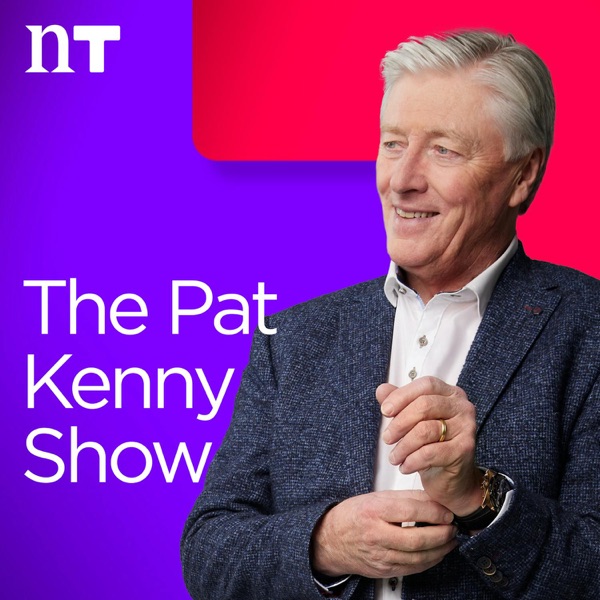
Pat brings you the sharpest analysis of news and current affairs on the radio and fresh perspectives on the issues that will define a generation. Breaking news is interwoven with reflective news features and reports from a variety of reporters based across the country. Experts are on hand to guide listeners on everything from consumer and employment rights and health issues to savvy holiday options. And Pat is joined by all the best personalities from the entertainment world.
CONVERSATION THAT COUNTS | Ireland’s national independent talk station for news, sport, analysis and entertainment
Listen to Newstalk at http://newstalk.com/listenlive | Download the GoLoud app now, the new home for Newstalk
Former UK Defence Minister Tobias Elwood joins Pat Kenny to discuss his new book, Ten Steps to Stop World War III. The conversation explores the potential for a global collapse and the transition into a multi-front conflict involving economic, cyber, space, and grey zone warfare. Elwood examines the rise of authoritarianism, the shifting role of the United States under isolationist tendencies, and the strategic motivations behind the actions of Russia and China. The episode delves into historical parallels, such as the 1937 era and the century of humiliation in China, to provide context for modern geopolitical tensions. Elwood outlines a framework for preventing global catastrophe, emphasizing the need for renewed statecraft, strengthened alliances, and increased industrial resilience to face an increasingly dangerous and unpredictable international landscape.
Clique num capítulo para ir diretamente ao momento no episódio.
World War III will not be necessarily like World War I, a war of trenches and I suppose the beginning of technology in war, or World War II, a war of bombings and front lines. It'll be a war on many fronts.
00:01:56 · The author explains how modern conflict has expanded beyond conventional physical battlefields into economic and digital realms.
Understanding Russia and its history is actually pivotal to understanding what Putin is up to now and the fact that if you replace him, actually Russia's strategy will not change.
00:05:37 · Elwood argues that Russian geopolitical aggression is rooted in historical patterns rather than just individual leadership.
It made everything for the world. And that, of course, gave it the economic clout to become the military power that it has become.
00:06:18 · The discussion highlights how China leveraged its role as the 'world's factory' to build significant military influence.
We've been around for 300,000 years as civilizations for the first, you know, for the last 5,000. And we're now finally found the ability to destroy ourselves.
00:10:59 · The author reflects on the tragic irony of human technological advancement providing the means for self-annihilation.
We've just built 150 very shiny state-of-the-art battle tanks. They are incredible, Challenger 3. But after the first battle, They will limp home, having probably won, but where's our replacements?
00:16:25 · Elwood warns about the lack of industrial resilience and the danger of focusing on advanced technology without adequate supply chains.
Former UK Defence Minister Tobias Elwood joins Pat Kenny to discuss his new book, Ten Steps to Stop World War III. The conversation explores the potential for a global collapse and the transition into a multi-front conflict involving economic, cyber, space, and grey zone warfare. Elwood examines the rise of authoritarianism, the shifting role of the United States under isolationist tendencies, and the strategic motivations behind the actions of Russia and China. The episode delves into historical parallels, such as the 1937 era and the century of humiliation in China, to provide context for modern geopolitical tensions. Elwood outlines a framework for preventing global catastrophe, emphasizing the need for renewed statecraft, strengthened alliances, and increased industrial resilience to face an increasingly dangerous and unpredictable international landscape.
Former UK Defence Minister Tobias Elwood joins Pat Kenny to discuss his new book, Ten Steps to Stop World War III. The conversation explores the potential for a global collapse and the transition into a multi-front conflict involving economic, cyber, space, and grey zone warfare. Elwood examines the rise of authoritarianism, the shifting role of the United States under isolationist tendencies, and the strategic motivations behind the actions of Russia and China. The episode delves into historical parallels, such as the 1937 era and the century of humiliation in China, to provide context for modern geopolitical tensions. Elwood outlines a framework for preventing global catastrophe, emphasizing the need for renewed statecraft, strengthened alliances, and increased industrial resilience to face an increasingly dangerous and unpredictable international landscape.
This episode of The Pat Kenny Show explores the perceived resurgence of smoking among young people and the cultural shift in its social perception. Through interviews with young adults and marketing expert Stephen Murphy, the program examines how the aesthetic of smoking has been rehabilitated via celebrity influence and social media, moving away from the stigma of previous decades. The discussion delves into the psychological and historical dimensions of tobacco marketing, including the use of psychoanalysis to target women during the suffrage movement. The segment also addresses the role of modern influencers in unintentionally performing the work of the tobacco industry by promoting a 'cool' or 'rebellious' aesthetic through digital platforms.
This episode of The Pat Kenny Show features an interview with Ilya Gridnev, a Canada correspondent for the Financial Times, regarding the collapse of trade negotiations between Canada and the United States. The discussion centers on Canadian Prime Minister Mark Carney's decision to withdraw negotiators from Ottawa after the U.S. proposed new, unfavorable terms at the last minute. The conversation explores the potential for retaliatory measures by Canada, such as leveraging electricity exports, and examines the broader geopolitical implications, including Canada's shifting trade relations with China and the controversial 'seal skin diplomacy' involving interests in Greenland.
Pat Kenny and political correspondent Jack Horgan-Jones review the Sunday headlines, focusing on the fallout from the M9 crash and the implications of reduced social media moderation. The discussion covers economic pressures regarding the upcoming budget, tax cuts, and public service spending, alongside news involving high-profile global figures. The episode also explores the lifestyle of Ireland's wealthy residents, speculation on Harry and Meghan's relocation, and infrastructure concerns regarding parking at the new children's hospital. Finally, the segment addresses proposed tougher citizenship tests for migrants and concludes with listener feedback on government regulation and spending.
Host Pat Kenny and guest John Duggan from Off The Ball discuss the return of the Premier League season and recent sporting highlights. The conversation covers Manchester United's unexpected defeat to newly promoted Hull, the tactical landscape of the league, and the impact of significant transfers. The discussion also touches upon the upcoming Liverpool versus Newcastle United match, the post-Klopp era at Liverpool, Arsenal's championship potential, and the challenges facing Manchester City following the departure of Pep Guardiola.

















![Raagavil Marma Desam - SYOK Podcast [TM] capa](https://static.mytuner.mobi/media/podcasts/088/raagavil-marma-thesam.jpg)